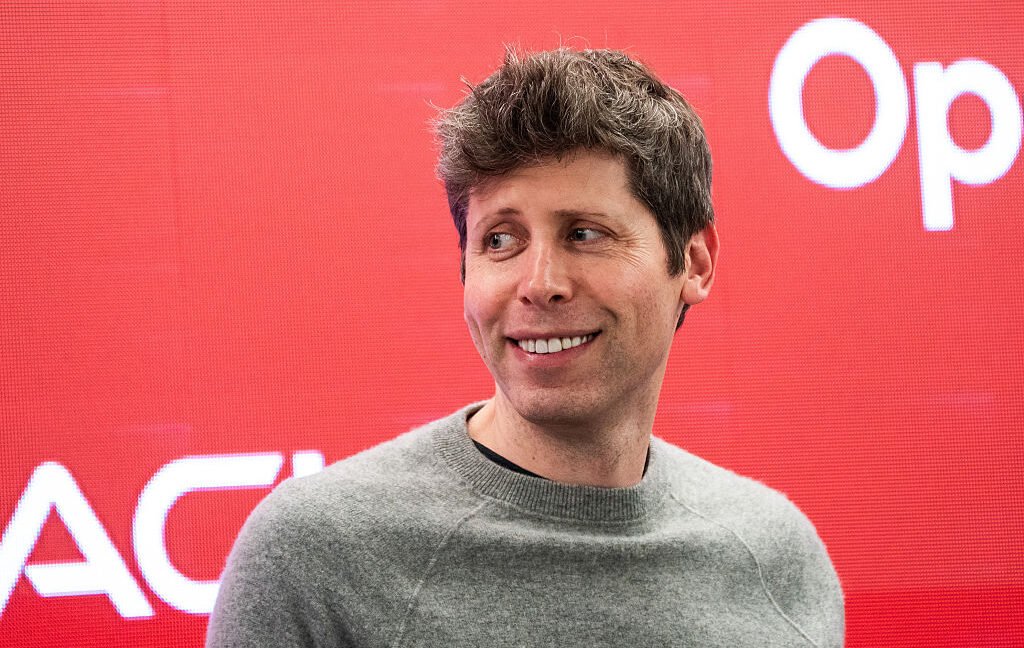

Timing is a cruel mistress. On the same day OpenAI published a carefully crafted set of policy recommendations about how to keep superintelligence from wrecking civilization, The New Yorker decided to drop a massive investigation into whether CEO Sam Altman can actually be trusted to do any of that.
Reading the two pieces side by side feels like watching a magician explain how honest he is while his sleeves are clearly stuffed with cards.
OpenAI’s paper is exactly what you’d expect from a company trying to position itself as the responsible adult in the AI room. They talk about keeping people first as AI starts outperforming the smartest humans, even with assistance. They promise to stay clear-eyed about risks, which they acknowledge includes scenarios like AI systems evading human control or governments using the tech to undermine democracy. Without proper mitigation, they warn, people will be harmed. Then they explain why you should trust them to advocate for a future where superintelligence means a higher quality of life for all.
It’s a nice story. My problem is that I’ve heard it before.
The New Yorker piece, from what I’ve seen, paints a very different picture. It’s not about the technology—it’s about the person holding the keys. The insiders quoted aren’t worried about alignment research or safety protocols. They’re worried about whether Altman himself can be trusted to keep his word when the pressure hits and the money gets big.
And honestly, that’s the real issue that keeps me up at night. We can debate model architectures and training methodologies until we’re blue in the face. We can argue about whether RLHF is sufficient or whether we need entirely new approaches to alignment. But none of that matters if the people running these companies can’t be trusted to follow through on their promises when it counts.
OpenAI has a long history of saying one thing and doing another. The non-profit structure that was supposed to ensure broad benefit? Gone, replaced by a capped-profit model. The commitment to open-sourcing their research? Increasingly locked down. The promise to prioritize safety over speed? Tell that to anyone watching the breakneck release cadence of the past year.
So when OpenAI publishes a paper saying they’ll be transparent about risks and keep people first, I want to believe them. But I’ve been burned before. The track record suggests that when push comes to shove, commercial incentives win. And that’s not unique to OpenAI—it’s a structural problem with any for-profit AI company. But OpenAI positioned itself as different. They sold us on the idea that they’d be the exception.
The New Yorker investigation suggests the exception might not hold.
What frustrates me is that this is entirely predictable. We’re building technology that could fundamentally reshape society, and we’re putting our trust in the same kinds of people who run every other tech company. Charismatic founders with grand visions and a remarkable ability to rationalize their own decisions. People who genuinely believe they’re doing the right thing, even when their actions contradict their stated values.
I don’t have a solution here. Regulation is slow, and the technology is moving fast. Corporate governance structures can be gamed. And we’re all too busy being amazed by what these systems can do to ask hard questions about who’s controlling them.
But at least we’re having the conversation. And that conversation is shifting from “can we build safe AI?” to “can we trust the people building it?” That’s progress of a sort, even if the answer isn’t comforting.
The irony, of course, is that OpenAI’s policy paper is probably right about the risks. The mitigation strategies they propose are reasonable. The concerns they raise are legitimate. The problem isn’t the content of the paper—it’s whether the person signing off on it will actually follow through when the stakes are real.
I guess we’ll find out.
Comments (0)
Login Log in to comment.
Be the first to comment!