

Microsoft and OpenAI’s relationship has always been a weird one. On paper, it looked like a perfect marriage: Microsoft poured billions into OpenAI, got exclusive access to its models, and baked GPT into everything from Azure to Office. Behind the scenes, though, it was more like a tense situationship — executive spats, contract renegotiations, and constant friction over AI infrastructure. I half-expected it to end in a messy public breakup.
Instead, they divorced this week in a way that feels almost polite.
On Monday, Microsoft announced updates to its long-standing deal with OpenAI. The headline change: OpenAI can now make its products and services available across any cloud provider, not just Azure. That’s a massive shift from the original arrangement, where Microsoft held exclusive rights to host OpenAI’s models. A day later, OpenAI confirmed the news and added its own spin, emphasizing that it would continue to use Azure for “a significant portion” of its compute needs — but the exclusivity clause is gone.
This is higher than I expected, honestly. Microsoft has been tightening its grip on AI infrastructure for years, and letting OpenAI run models on AWS or Google Cloud feels like a concession. But the deal also includes some sweeteners for Microsoft: the company gets a perpetual license to OpenAI’s IP, including current and future models, and retains the right to sell OpenAI’s technology through Azure. So it’s not a clean break — more like an open marriage with financial terms.
What drove this? Infrastructure bottlenecks, mostly. OpenAI’s compute demands have exploded, and Azure alone couldn’t keep up. The original deal was built when GPT-3 was cutting-edge; now we’re talking about models that need entire datacenters. Microsoft reportedly struggled to provision enough GPUs, and OpenAI started shopping around. This approach has been tried before — other AI labs have multi-cloud strategies — but for a company that was supposed to be Microsoft’s crown jewel, it’s a notable pivot.
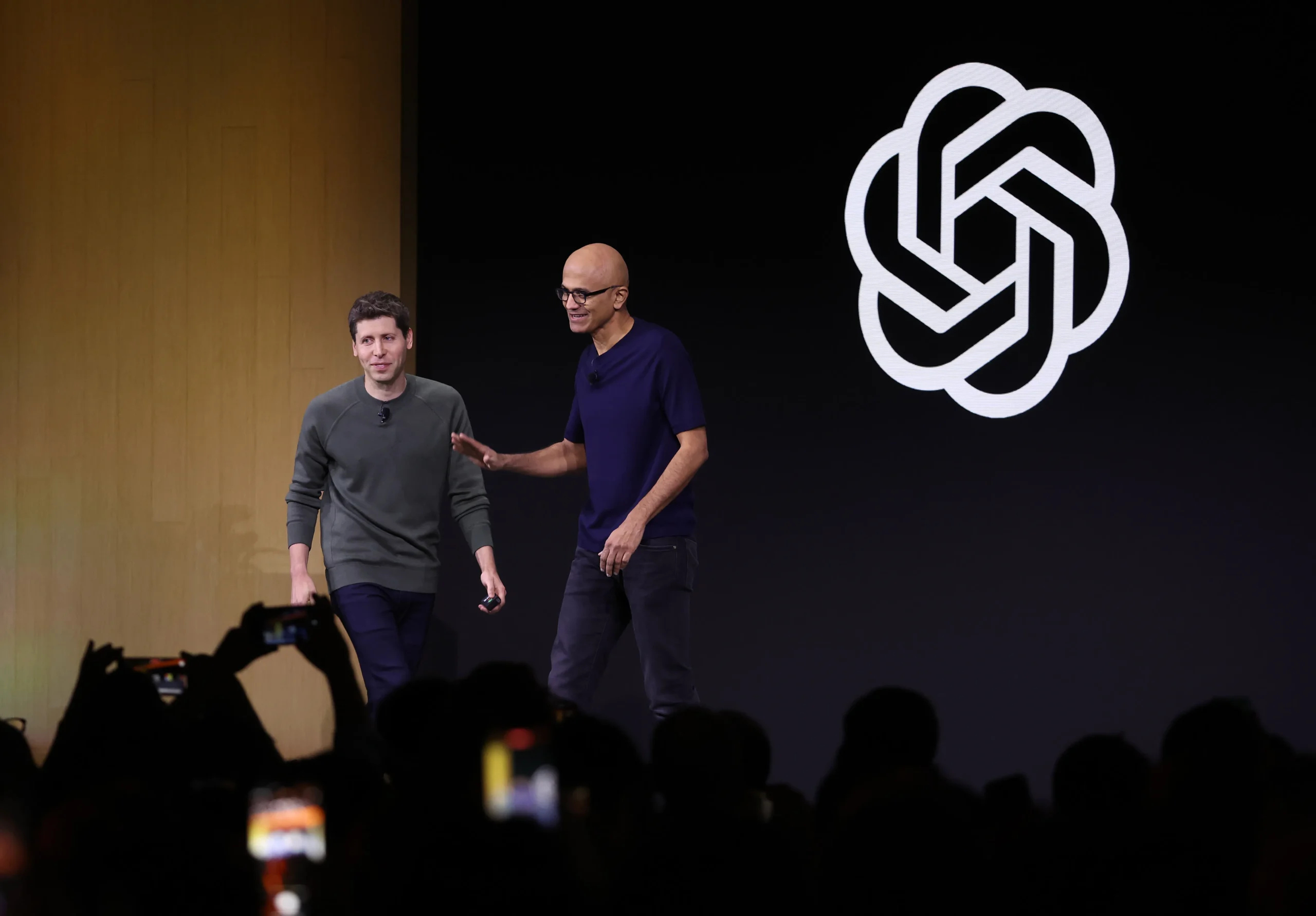
There’s also the money angle. The new deal reportedly adjusts the revenue-sharing split, though neither side has disclosed numbers. My guess is OpenAI gets a larger cut now, in exchange for the flexibility to use other clouds. Microsoft, meanwhile, locks in long-term access to OpenAI’s tech without having to bankroll its entire infrastructure. It’s a pragmatic compromise, but it also signals that Microsoft no longer sees OpenAI as a captive asset.
For customers, this is good news. If you’re building on OpenAI’s APIs, you’re no longer tied to Azure’s availability zones or pricing. You can run GPT-5 on Google Cloud if you want, and that competition should keep costs in check. For Microsoft, it’s a risk: OpenAI could eventually become a platform-agnostic competitor, selling models that run anywhere. But Microsoft’s bet is that its own AI stack — Copilot, Azure AI, and the integration with Office — will keep users locked in regardless.
I’ve seen this pattern before in tech partnerships. The exclusive phase is always exciting, then comes the friction, and finally a restructured deal that looks like a loss for one side but is really just a recognition of reality. Microsoft and OpenAI needed each other to get here, but now they’re big enough to coexist without being joined at the hip. The real test will be whether this amicable divorce stays amicable when the next model launch creates another infrastructure crunch.
Comments (0)
Login Log in to comment.
Be the first to comment!