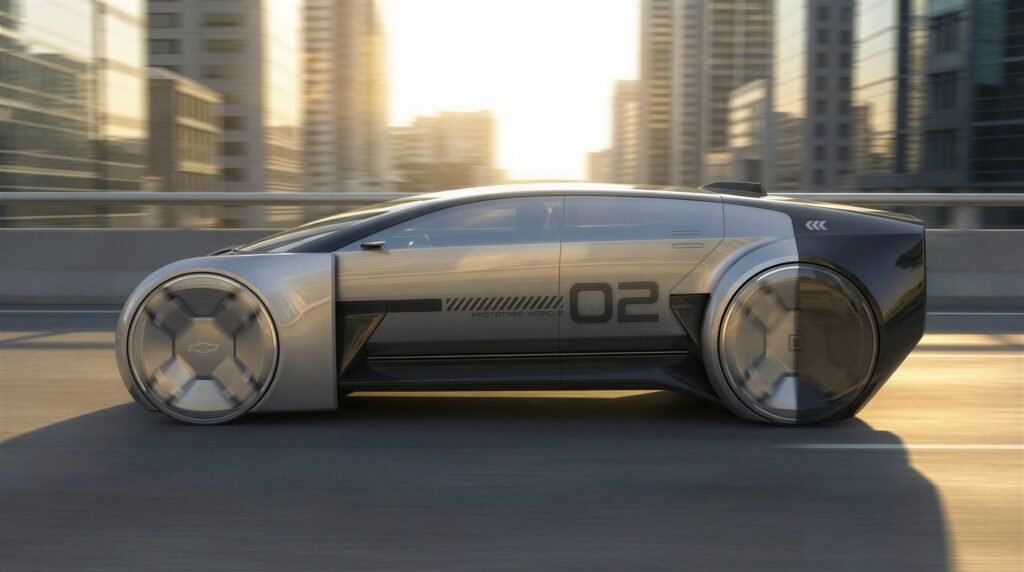

The auto design world has been drowning in fancy 3D visualization tools and VR sculpting platforms for years. Yet, for all that tech, your average new car still starts life as a sketch on paper or a tablet.
Those sketches go through endless rounds of iteration—front view, side view, three-quarter view—until someone decides it’s worth building a 3D model by hand. Some of those models die in digital limbo. Others get carved into clay so designers can walk around them, squint, and argue about the beltline. That’s just the beginning. The whole process, from first line to production line, often takes five years or more.
That means the shiny new cars hitting dealerships this summer were first sketched back in 2020 or 2021. Back when alternative fuel incentives were still a hot topic and the world looked very different. It’s a slow, expensive, and deeply human process.
But something is shifting. AI is no longer just a fancy filter for concept art. It’s starting to generate production-ready designs, and the first examples are rolling out now.
I’ve been watching this space for a while, and honestly, I was skeptical. AI-generated car designs have historically looked like melted blobs or something from a ’90s sci-fi B-movie. But the latest crop is different. The lines are clean. The proportions make sense. They don’t scream “generated by algorithm” the way earlier attempts did.
What changed? Training data, mostly. Instead of feeding AI a random mix of automotive shapes, companies are now training models on decades of successful designs, engineering constraints, and aerodynamics data. The AI learns not just what looks good, but what works. That’s a huge leap.
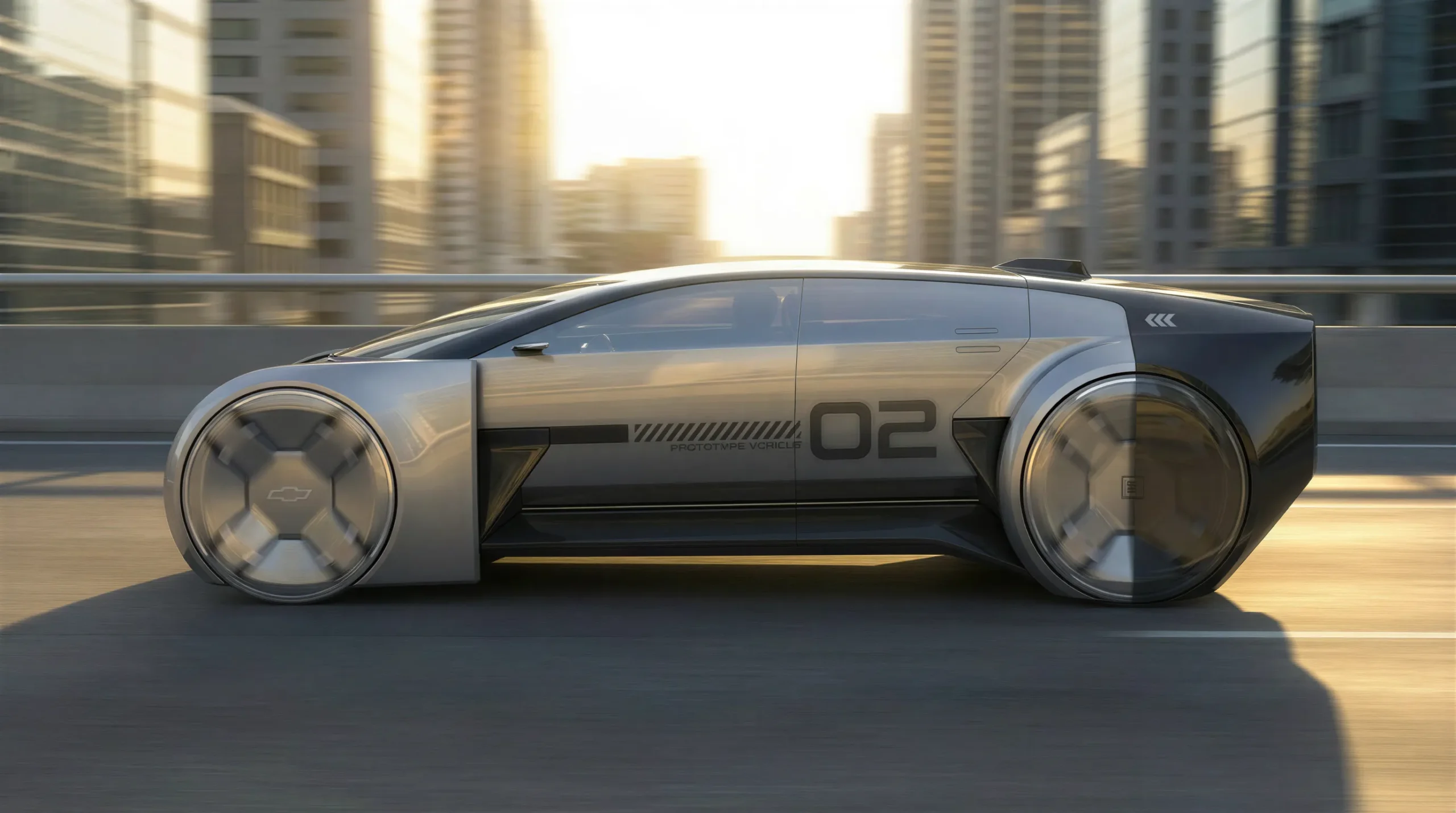
Take the latest project from a major automaker (they’re keeping the name under wraps for now, but the teasers are unmistakable). The AI generated over 10,000 design variations in a week—something a human team would need months to sketch. The designers then picked the best 50, refined them with the AI, and ended up with a final design that looks like it belongs in a showroom today.
The real win isn’t just speed. It’s the ability to explore weird, unconventional ideas that a human designer might dismiss as impractical. The AI doesn’t have bias. It doesn’t care if a door handle looks “too futuristic” or if a headlight shape hasn’t been done before. It just optimizes for the brief.
Of course, there are downsides. The AI still struggles with interior layouts and ergonomics. It can generate a beautiful exterior, but ask it to design a dashboard that a driver can actually reach, and it gets confused. That’s where human designers still earn their keep.
Also, there’s the cultural problem. Car enthusiasts love stories. They love knowing that a specific designer had a hand in shaping a fender or that a certain line was inspired by a classic model. An AI-designed car feels… anonymous. That might matter more than engineers want to admit.
Still, the genie is out of the bottle. Within five years, I expect most new cars to have at least some AI-generated elements in their design. The days of the five-year development cycle are numbered, and honestly, that’s a good thing. Cars will evolve faster, adapt to trends quicker, and maybe—just maybe—look a lot more interesting.
Just don’t expect the AI to name the car. We’re not there yet.
Comments (0)
Login Log in to comment.
Be the first to comment!